ITA Linguistic Online Diploma Course
Welcome to the ITA Linguistic Diploma
Welcome to the International Teachers Association (ITA) Linguistic Diploma Online Course—a comprehensive and engaging programme designed to introduce learners to the fascinating world of language. Whether you are a teacher, student, translator, language enthusiast, or education professional, this diploma provides the knowledge and practical understanding needed to explore how languages are formed, used, taught, and preserved.
During this course, you will explore:
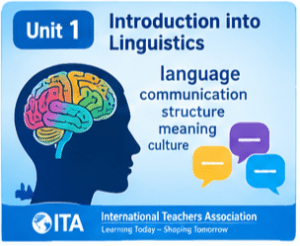
- The foundations of linguistics and language science.
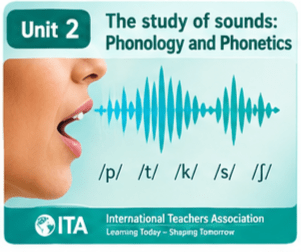
- Speech sounds through phonetics and phonology.
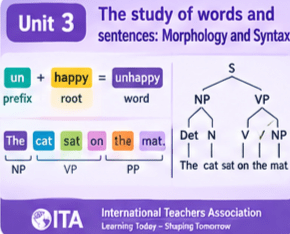
- Word formation and sentence structure.
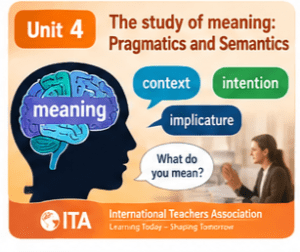
- Meaning, context, and communication.
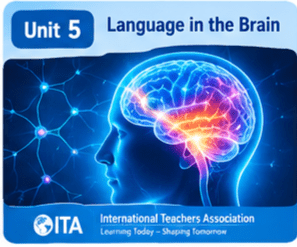
- How the brain processes language.
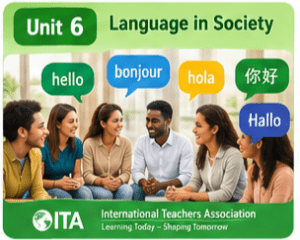
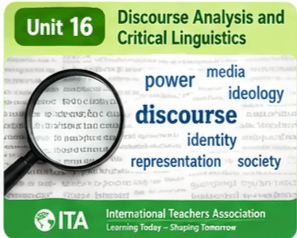
- Language and society.
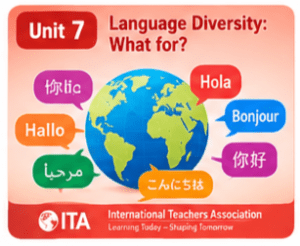
- Language diversity and multilingualism.
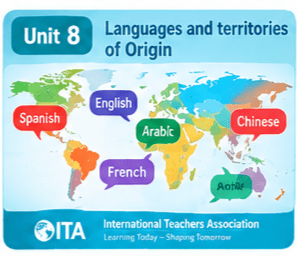
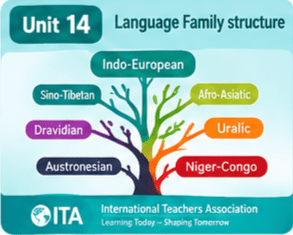
- Language families and historical development.
- Translation challenges.
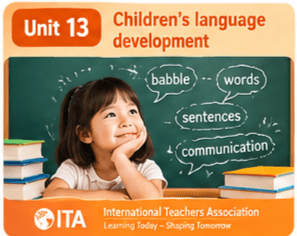
- Children’s language development.
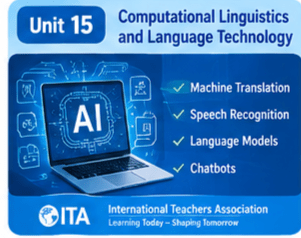
- Computational linguistics and artificial intelligence.
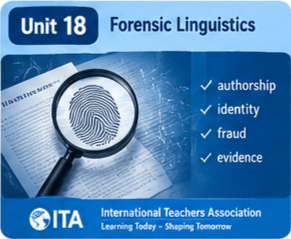
- Forensic linguistics.
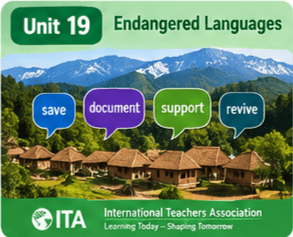
- Endangered languages and language preservation.
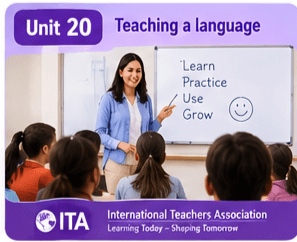
- Effective language teaching practice
Your Learning Journey
By completing the ITA Linguistic Diploma, you will gain valuable insights into one of the world’s most important fields of study—the science of human language. More importantly, you will develop practical knowledge that can enhance teaching, communication, research, translation, and professional development in today’s increasingly multilingual and interconnected world.
We invite you to begin this exciting journey into linguistics and discover how language shapes individuals, cultures, and societies across the globe.